

You see the words “Italian leather” on all kinds of products, but they rarely tell you much about the material itself. In many cases, it sounds more like a selling point than a useful explanation.
So we decided to go straight to the source. We asked the Tuscan tannery that supplies our leather and the workshops that turn it into belts to explain how their process actually works.
They told us about the water used during tanning, the plant extracts added to the drums, the time each hide needs before it is ready and the many steps involved in turning raw leather into a finished belt.
In this guide, we break down what they shared with us, together with the key figures behind the process, to explain what makes Italian leather different and why it has a higher cost.
Where Does Italian Leather Actually Come From?
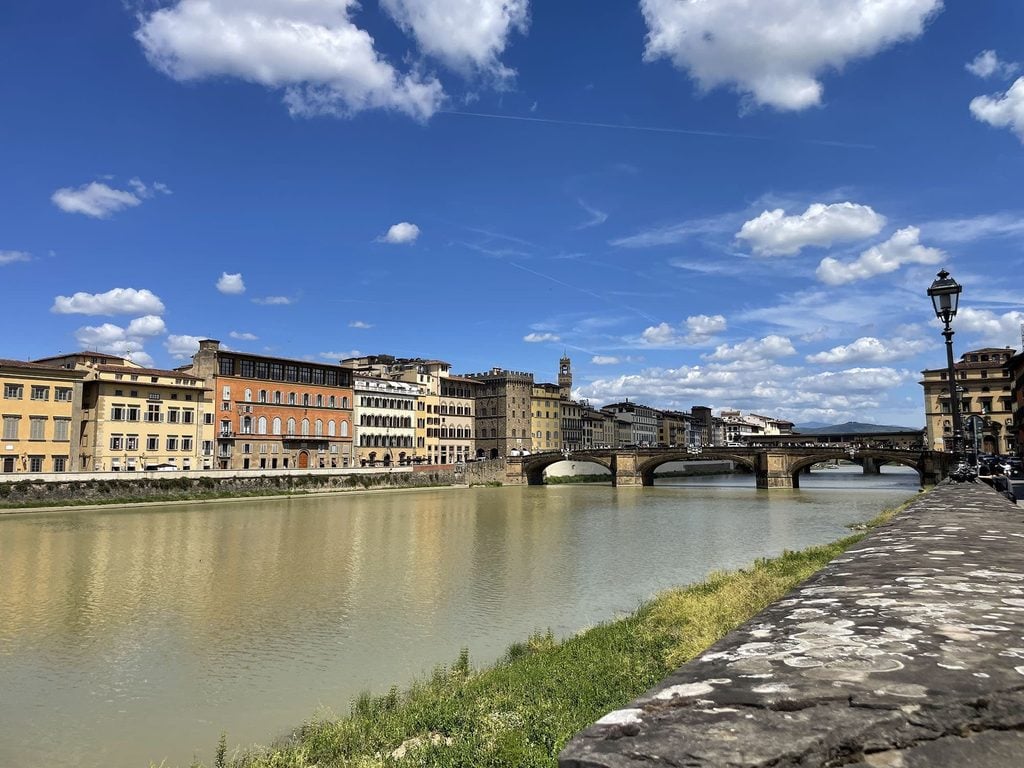
Italian leather comes mainly from a few specialized areas of the country. For belts, one of the most important is Tuscany, particularly the Arno valley between Florence and Pisa.
Tuscany produces around 35% of Italy’s leather, compared with 50% in Veneto and 8% in Campania. Together, these three regions account for roughly 93% of Italian leather production (UNIC, 2025). Tuscany is especially known for vegetable tanning, which is why many belt and bag makers source their leather there.
Our tannery is based in the same area. When we asked why the location matters, they mentioned something that is easy to overlook: the water.
“Our tannery is based in Tuscany on the banks of the river Arno. The quality of the water we use for tanning is very good and rich in substances that help us tan the hide in a more natural and beautiful way.”
That water is used throughout the tanning process, so its characteristics can play a part in how the leather develops. This is one of the reasons the tannery sees its location by the Arno as an important part of its work.
But Tuscany’s importance goes beyond its natural resources. Leather has been processed in this area for generations, creating a network of tanneries and workshops with years of practical experience behind them. That local tradition is part of a much larger industry across Italy.
Today, the country has 877 tanning companies employing more than 17,000 people, with a combined annual turnover of over €4 billion. Italy also accounts for around 31% of international leather exports.
These figures give an idea of the scale of the industry, while the long history of areas such as Tuscany helps explain where much of its expertise comes from. Many techniques have been refined over decades and passed from one generation of leather workers to the next.
What Goes Into Vegetable Tanning?
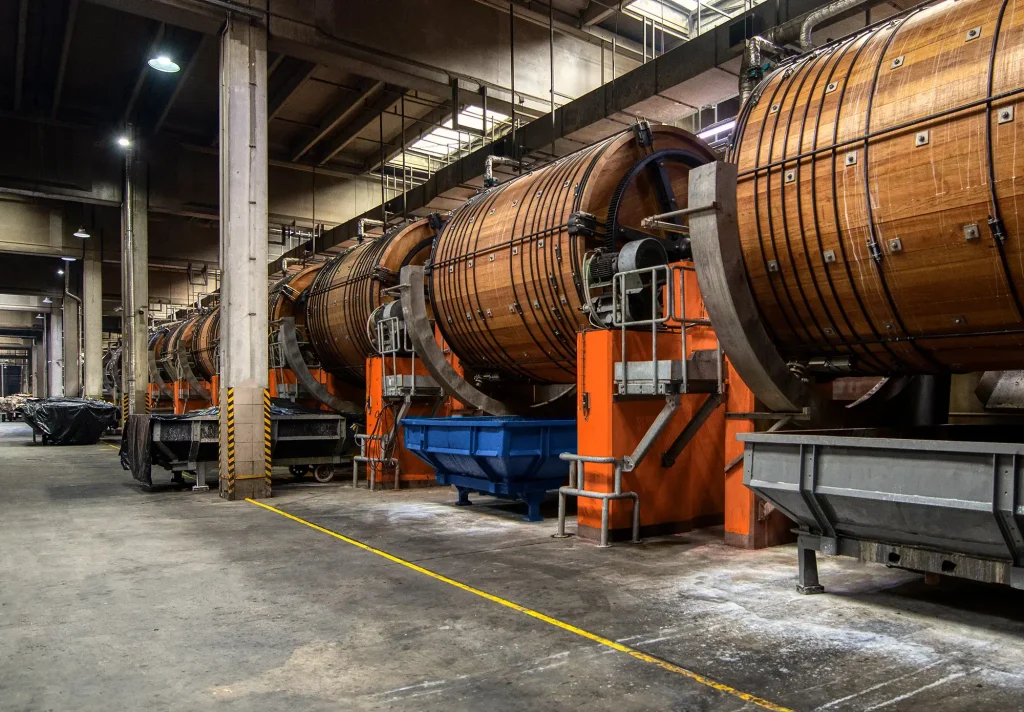
The next part of the process is what actually happens inside the tannery. Vegetable tanning uses natural tannins and plant extracts to turn the hide into leather and give it the characteristics it will develop over time.
When we asked our tannery which extracts they use, they told us:
“We use vegetable tannins and plant extracts such as mimosa, quebracho and chestnut. During tanning these extracts do not kill the fiber of the hide, they leave it free, still reactive to light, to heat and to movement. Vegetable tanned leather keeps living and ages the same way our own skin does. If you expose it to light it changes color and captures the passing of time, which improves the look because it is more natural and lived in.”
This is what allows vegetable-tanned leather to develop a patina. With light, heat and everyday use, the surface gradually changes, often becoming darker and richer in tone.
Chrome tanning works differently. It uses chromium salts and accounts for around 80% of leather production worldwide (ICDA). The process is faster and usually produces leather that is softer and more uniform. Vegetable-tanned leather tends to keep a firmer structure and shows more visible changes as it ages, characteristics that work particularly well for belts.
This also explains why a label such as “real leather” does not say much on its own. Two belts can both be made from real leather and still be very different depending on the tanning method, the grade of the hide and the finish.
Our guide to full-grain vs. genuine leather belts looks more closely at those differences and what they mean when choosing a belt.
If you are comparing leather with synthetic alternatives, our vegan leather belt vs real leather belt comparison explains how the two materials differ in everyday use.
How Long Does the Tanning Process Take?
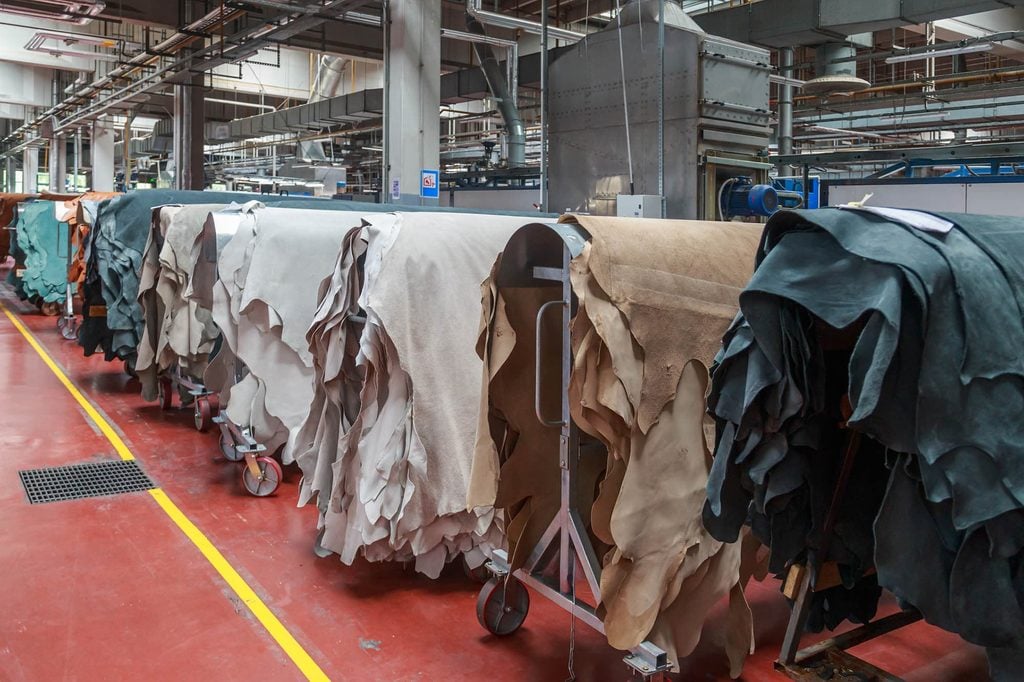
The difference between vegetable and chrome tanning is also easy to see in the production time. When we asked the tannery how long their process takes today, they explained:
“In the past, vegetable tanned hides were dried in the open air and production times were really long. Today, from the order date, we can be ready for delivery in 4 to 5 weeks.”
So even with modern equipment, vegetable-tanned leather still takes around 4 to 5 weeks to prepare. Chrome tanning can bring a hide to the crust stage in just one or two days.
That extra time affects the cost. The hides remain in production for weeks, moving through tanning, drying and storage before they are ready to leave the tannery. Each of those stages requires space, equipment and labour, which becomes part of the final price of the leather.
Time, however, is not the only part of the process that can be documented. In the Tuscan district, 18 artisan tanneries belong to a consortium founded in 1994 that uses a certification and anti-counterfeiting system. This allows the finished leather to be traced back to the tannery that produced it (Consorzio Vera Pelle Italiana Conciata al Vegetale).
For someone buying a leather product, this provides something useful: a clearer record of where the material came from and who produced it.
How Much Leather Gets Rejected Before It Becomes a Belt?
Traceability tells you where the leather comes from, but that is only part of the story. Not every part of a hide is suitable for making a belt and the selection starts well before the leather reaches the workshop.
Scratches, insect bites, wrinkles and changes in thickness can all reduce the usable area. The tannery explained that there is no single rejection rate, because it depends on what the leather will eventually be used for:
“The reject percentage depends on the finished product. If we are selecting for chairs, we look for large clean panels and we reject scratches, insect bites and other defects. If the production is for laces or bag handles, the waste is lower.”
Belts need a particularly long and even section of leather. A strap has to be cut from an area that is strong enough and consistent in thickness, so a scar or weak point in the wrong place can make that section unsuitable.
The checks continue when the leather arrives at the workshop. One of the belt makers we spoke to, which has been producing belts since 1970, explained what they look for:
“We look for hides with a compact fiber structure, uniform thickness and excellent durability. We reject hides with deep scars, weak fibers, excessive stretching, uneven thickness or finishing defects, because these affect the belt’s appearance and performance over time.”
Another workshop described the same process more simply:
“We touch it by hand. The quality is too important for us. We also look to see if it has defects.”
So the leather is checked at different stages before a strap is cut. The tannery looks at the hide during production, then the workshop makes its own selection before turning it into a belt. Our full grain leather belts are made from leather that has passed these checks.
We also asked the tannery how early they can tell whether a hide is developing well:
“You can already tell in the first tanning phase, but the choice is confirmed when the leather is in crust.”
That means the selection does not begin only when the finished leather reaches the workshop. Quality is assessed throughout the process, with the final choice becoming clearer once the hide reaches the crust stage.
How Many Steps Does It Take to Make One Belt?
Once the leather has passed the selection process, the work of turning it into a belt begins. What looks like a simple accessory actually goes through a series of separate production steps before it is finished.
One of the workshops told us that making a belt involves around 20 different steps:
“From raw leather to finished belt, the process involves around 20 carefully controlled steps: leather selection, cutting, skiving, edge finishing, stitching or assembly, dyeing, polishing, quality checks and final packaging.”
The second workshop gave a slightly lower figure, around fourteen to fifteen steps. The exact number depends on the design and on how the belt is constructed.
Some parts of the process are obvious when you look at the finished belt, while others are hidden. Skiving is one of those less visible steps. The leather is thinned in specific areas, for example near the buckle, so it can fold more cleanly and without adding too much thickness.
You may never notice this when looking at the belt, but you can often feel the difference when you wear it.
Construction can also change depending on the style of belt. Our guide to the types of belt every man should own looks at the main designs and how they differ.
Why Does Edge Finishing Matter So Much?
Among the steps mentioned by the workshops, edge finishing is one of the easiest to overlook. It may seem like a minor detail, but the way the edges are treated affects both the appearance of the belt and how well they cope with regular use.
One of the workshops explained what happens during this stage:
“We finish the edges through trimming, smoothing, coloring and polishing to create a clean and refined surface. Edge finishing is essential because it protects the leather from wear, moisture and fraying, and keeps the belt’s strength and appearance over time.”
Without a proper finish, the cut edge of the leather is more exposed to moisture and friction. Smoothing, sealing and polishing it helps reduce fraying and keep the edge neat for longer.
The second workshop also told us that they use EU-certified liquid finishes and test their durability with dedicated equipment. This gives them a way to check how the finish performs under the kind of repeated rubbing a belt goes through during everyday wear.
Different surface treatments can also change the final look and feel of the leather. Our honest review of Saffiano leather belts looks at a very different type of finish and how it affects the material.
Hand-Stitched or Machine-Stitched: Does It Change Longevity?
Stitching is another part of a belt that can change both its appearance and the way it is made. Some styles are stitched by hand, while others rely on machines for a more consistent finish.
We asked both manufacturers whether hand stitching actually makes a belt last longer.
The first workshop put more emphasis on craftsmanship:
“A hand-stitched belt represents the highest level of craftsmanship, with each stitch placed to ensure strength, flexibility and a unique character. A machine-stitched belt offers excellent consistency and durability thanks to precise production techniques. The difference in longevity depends on the quality of the leather, the stitching method and the overall construction.”
The second workshop was more direct:
“In terms of longevity it is the same, but hand stitching looks more fashionable.”
Their answers point to an important distinction. Hand stitching can give a belt a more traditional look and a stronger handmade character, while machine stitching offers a more uniform finish from one belt to the next.
When it comes to lifespan, however, the stitching method alone does not tell the whole story. A hand-stitched belt is not automatically more durable simply because the work was done by hand. In practice, stitching is often as much about appearance and craftsmanship as it is about longevity.
What Are You Actually Paying for in an Expensive Belt?
After looking at how the leather is selected and how a belt is made, the difference in price becomes easier to understand. We asked both workshops where cheaper belts tend to cut costs, and both pointed first to the material.
One workshop explained:
“The most common shortcut is the use of low-quality leather or materials with reduced thickness and poor fiber strength. This leads to cracking, deformation and a shorter lifespan. We avoid it by selecting premium Italian leather, controlling every production stage and relying on skilled craftsmanship.”
The second workshop gave much the same answer:
“The shortcut on a cheaper belt is the material, when bad quality is hidden by some shortcut. The only way to make good quality is the first choice of material, which must be of the highest quality.”
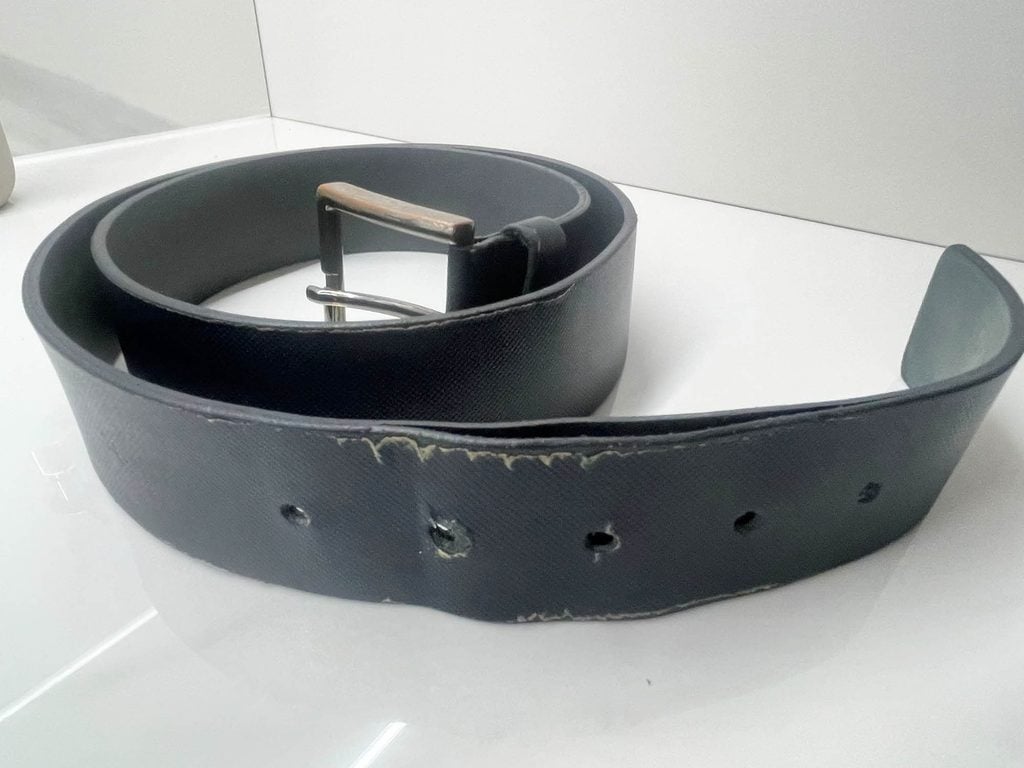
The difference may not always be obvious when a belt is new. Over time, however, weaker leather is more likely to stretch around the holes, crack where it bends or lose its shape.
So when you pay more for a well-made Italian leather belt, part of that price comes from the material itself and part from the work behind it. The quality of the hide, the time spent processing it and the care taken during production all contribute to what you eventually wear.
That also changes how it makes sense to compare prices. A cheaper belt may cost less today, while a better-made one can remain usable for much longer. Our guide to why expensive belts are worth the investment looks more closely at price in relation to how long a belt lasts.
Frequently Asked Questions
No. Italian leather can be either chrome tanned or vegetable tanned. The method depends on where the leather is produced and what it will be used for. Vegetable tanning is especially common in Tuscany, around the Arno valley, where many leathers for belts and bags are made.
Usually, yes. Vegetable-tanned leather often has a warm, slightly woody smell that comes from the natural extracts used during tanning, including chestnut, quebracho and mimosa. Chrome-tanned leather can smell a little sharper. With use, the scent becomes softer and less noticeable.
Vegetable-tanned leather changes gradually as it is exposed to light, heat and everyday use. The surface may darken and the color can become deeper in some areas. This is what creates the patina that many people associate with well-aged leather.
Not by itself. It tells you where the belt was made, but it does not tell you everything about the leather. It is also worth checking the leather grade, tanning method and edge finish. Our guide to full-grain vs. genuine leather belts goes into these differences in more detail.
Take a close look at the leather before anything else. It should feel firm without being stiff, and when you bend it, the surface should form small, natural creases rather than looking flat or plastic-like. Then check the edges. On a well-made belt, they should look smooth, neat and evenly finished, without loose fibers or rough areas along the cut.
The Bottom Line
What makes Italian leather different comes down to how it is made. In Tuscany, vegetable tanning relies on traditional methods, plant extracts and a process that takes weeks rather than days.
One point came up again and again in the answers from the manufacturers: the quality of the hide matters from the very beginning. Good finishing can improve the final result, but it cannot make up for weak or poor-quality leather.
When choosing a belt, it is worth looking at the leather itself, the tanning method and the way the edges are finished. Details such as stitching style and hardware can then come down to personal preference.
If you want to see the result of this process, browse our vegetable tanned belts, made from leather sourced from the Tuscan tanneries described in this guide.