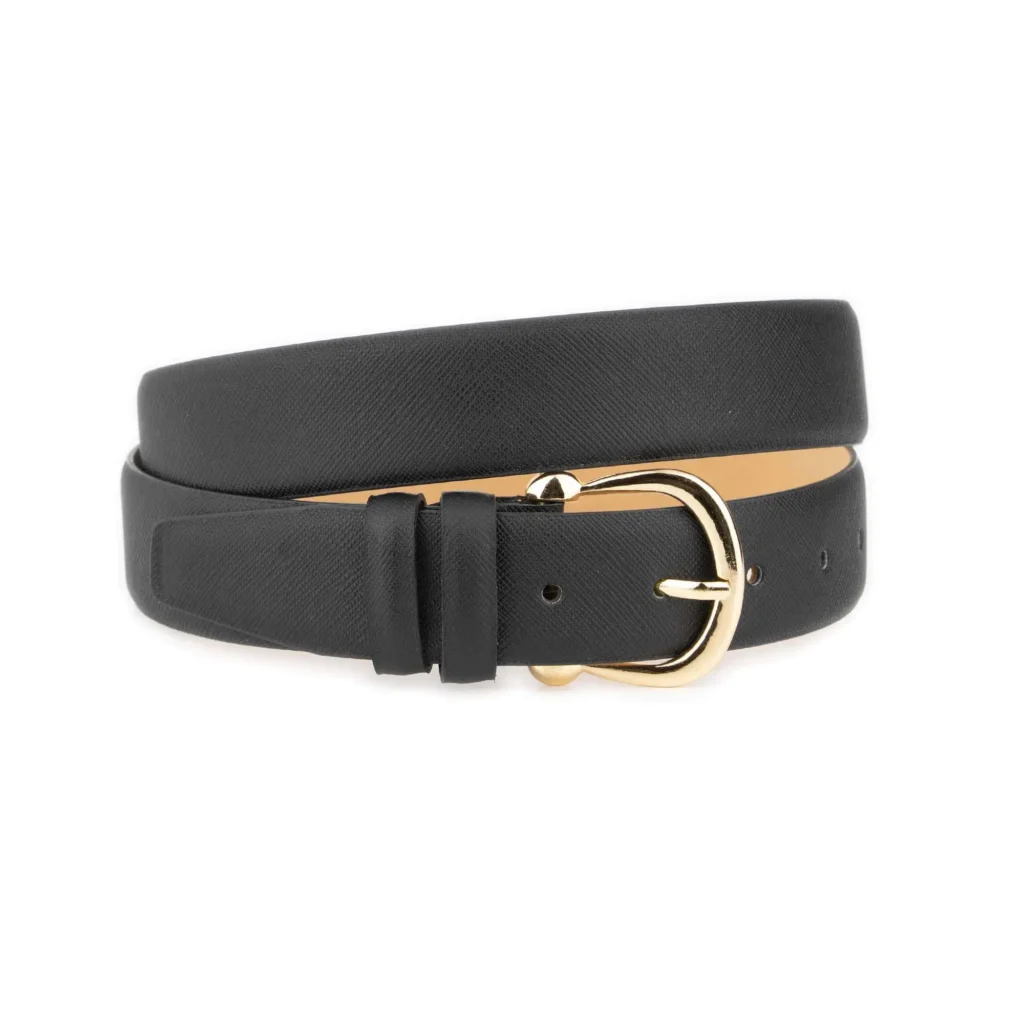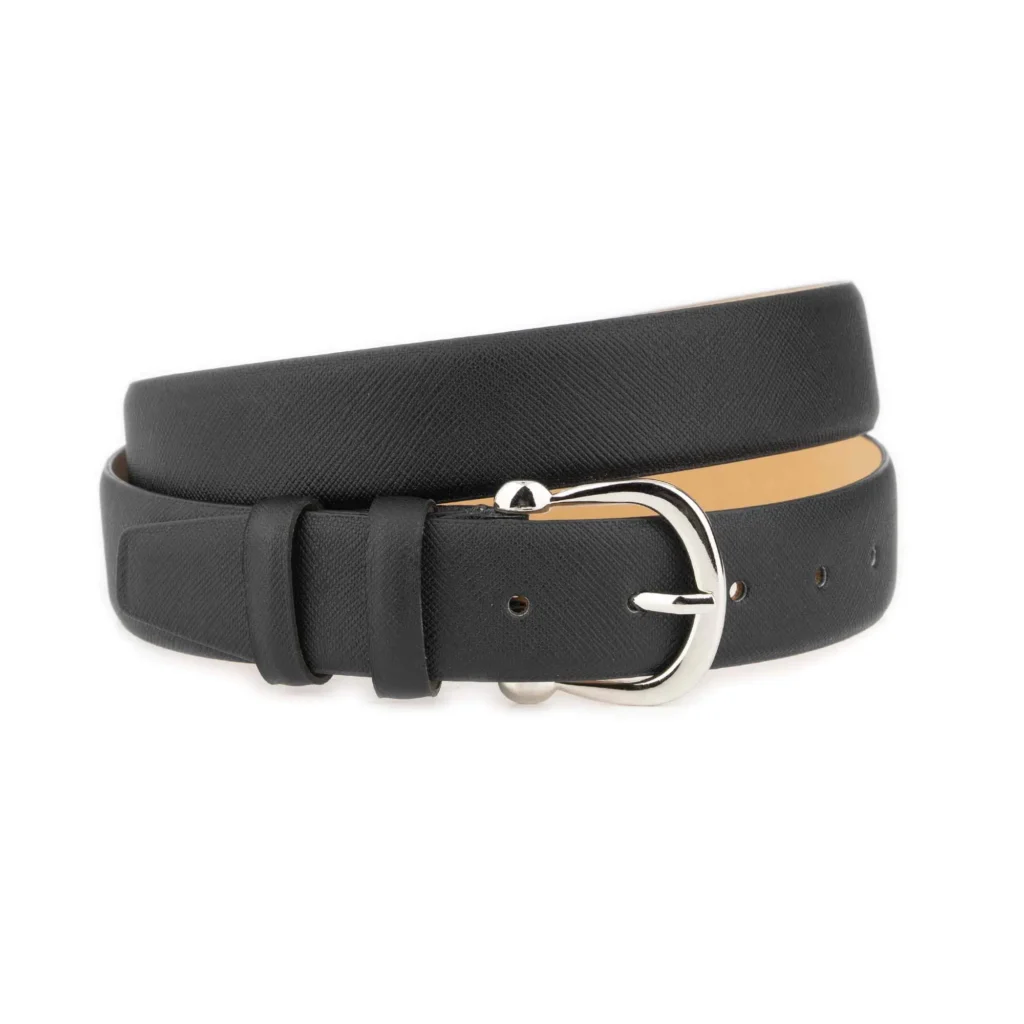
Are Saffiano Leather Belts Worth It?
You've seen the name on price tags that make you pause. It sounds premium. It looks polished. But is Saffiano leather genuinely worth the extra spend — or are you paying for a name? This review breaks it all down.
What Is Saffiano Leather, Exactly?
Before deciding whether Saffiano leather is worth your money, it helps to understand exactly what it is — and what it isn't.
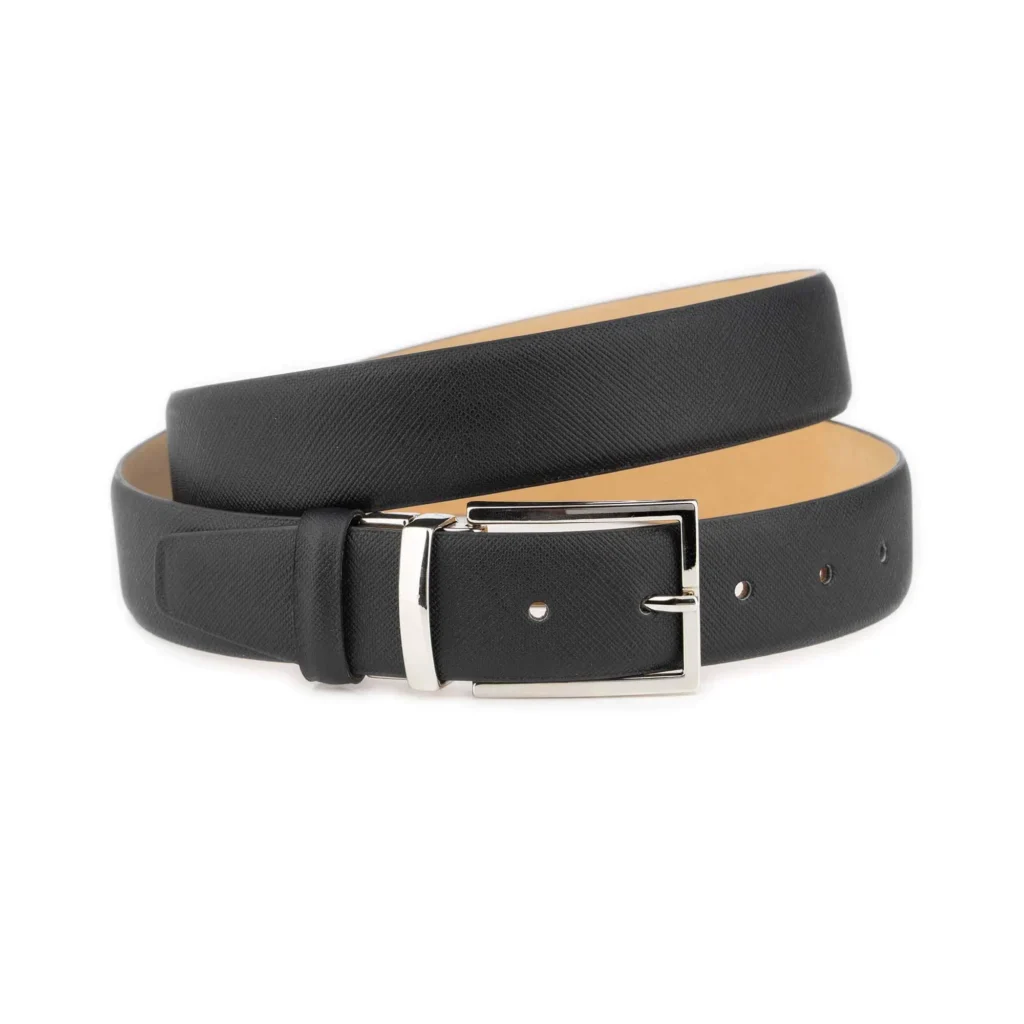
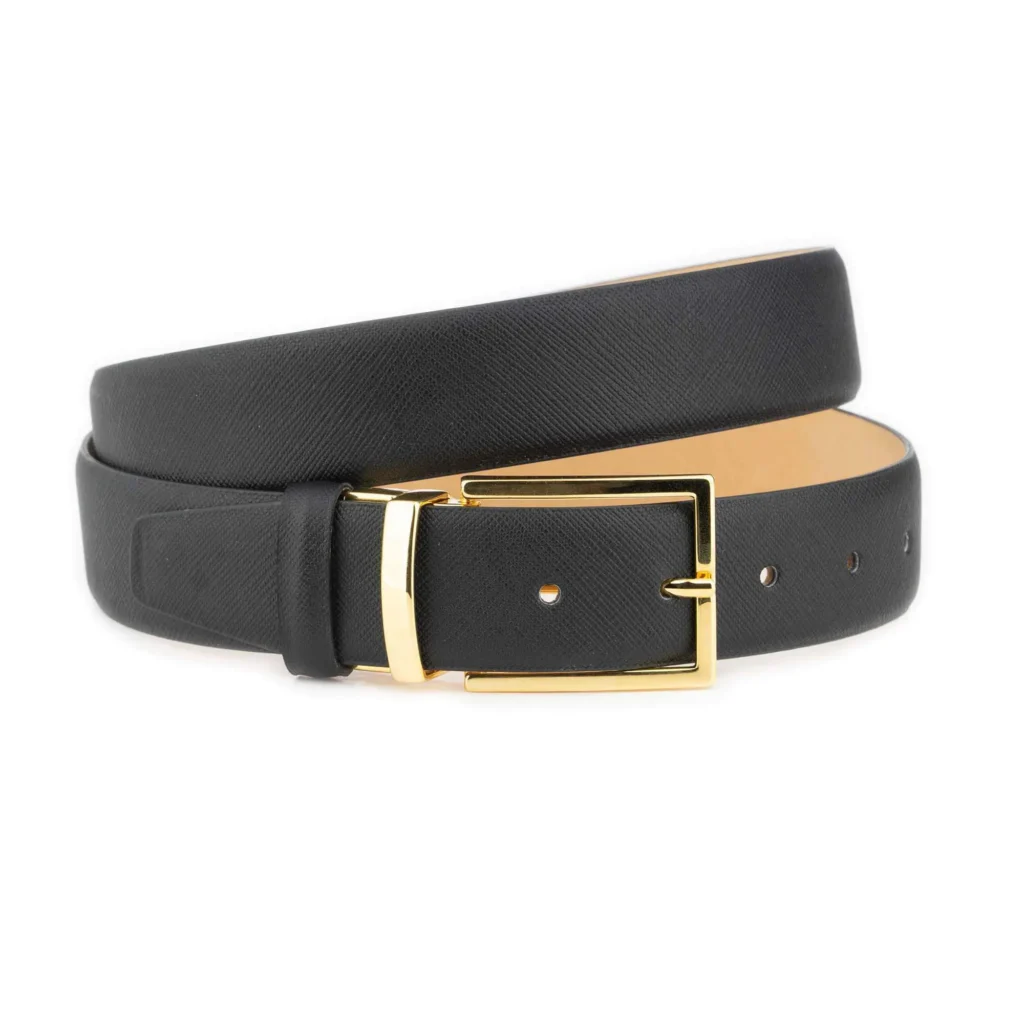
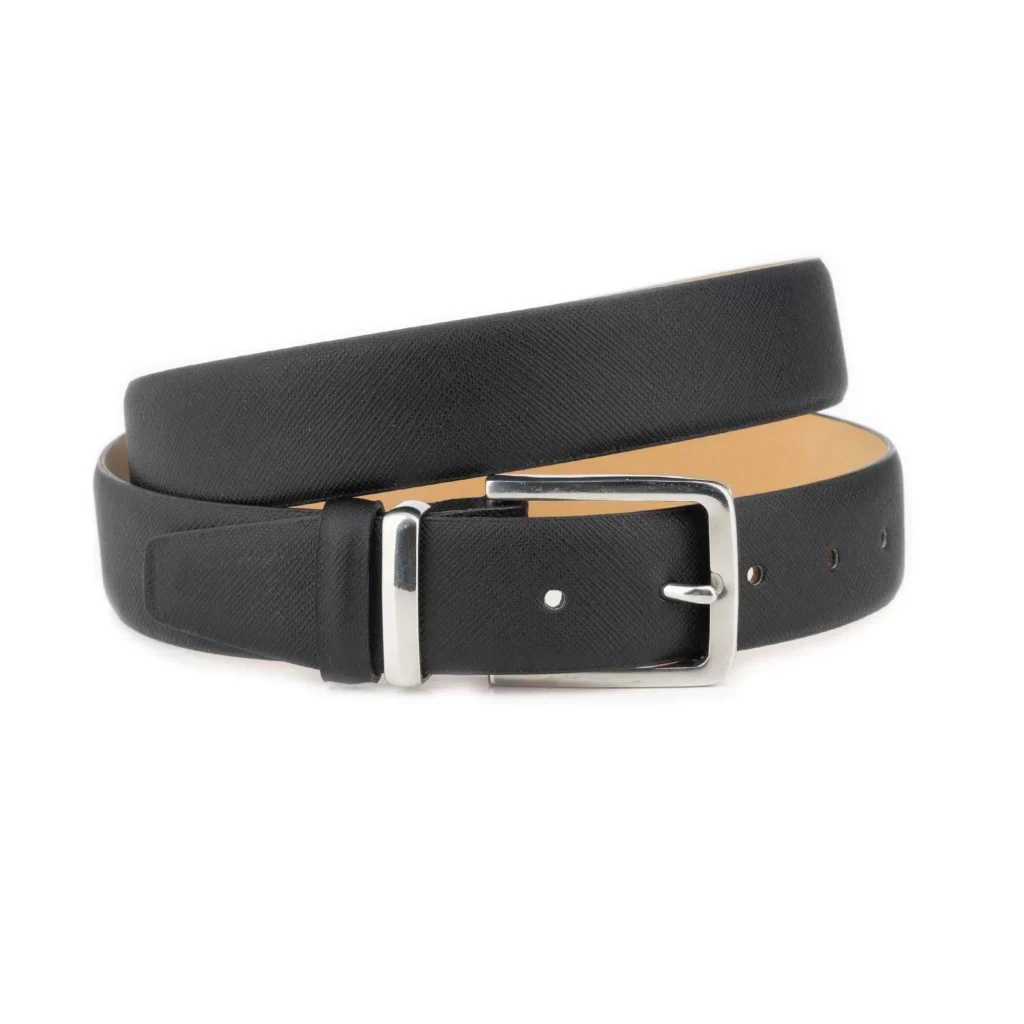
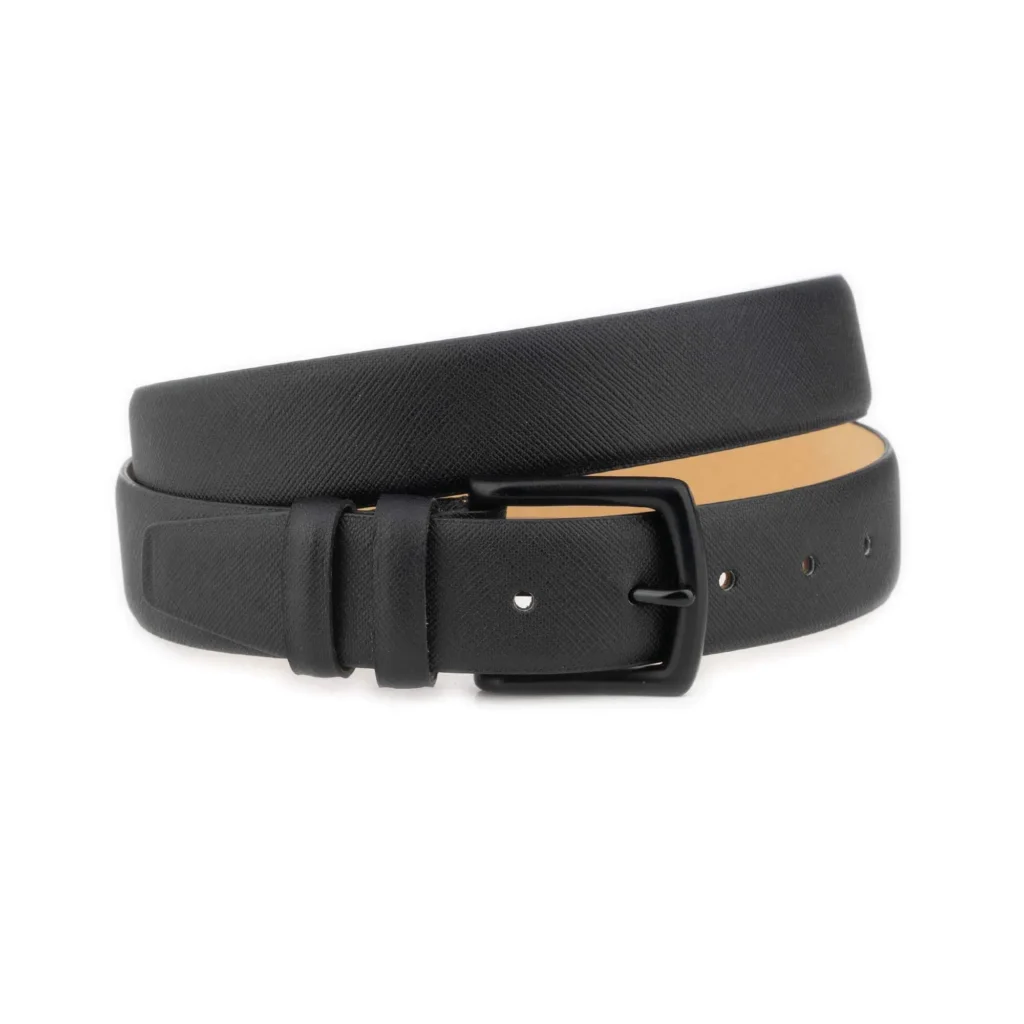
Saffiano leather is a type of treated leather defined by two key characteristics: a pressed crosshatch texture on its surface, and a wax or resin coating applied over that texture. The result is a leather that looks structured and refined, feels firm to the touch, and behaves very differently from natural, untreated leather.

The material was originally patented by Mario Prada in 1913, and for decades it remained closely associated with the Prada brand and the world of Italian luxury fashion. Over time, as the patent expired, other manufacturers adopted the technique, and Saffiano leather gradually made its way into the broader accessories market.
The crosshatch pattern is created using a heated press or roller that stamps the texture into the leather's surface. This process compresses the grain and gives the leather added density. The wax coating applied afterward creates a hard, slightly glossy shell that locks in the texture and protects the surface underneath.
It's worth noting that Saffiano leather can be made from various base materials. At the luxury end, you'll typically find genuine calfskin beneath the coating. At lower price points, the base material might be split leather, corrected-grain leather, or even a synthetic material. This variance in base quality is one of the most important things to understand when shopping for a Saffiano belt.
The Case For: Why Saffiano Leather Belts Impress
Let's start with the positives — and there are plenty of them. Saffiano leather has earned its reputation for good reason, and for many buyers it genuinely delivers on its promise.
Exceptional Scratch and Scuff Resistance
This is the headline benefit of Saffiano leather, and it's not marketing exaggeration. The wax coating acts as a physical barrier between the leather surface and the world around it. Minor scratches that would leave visible marks on a smooth full-grain belt tend to disappear on Saffiano — often with nothing more than a quick rub from your fingertip. In practical terms, this means your belt survives the day-to-day indignities that leather accessories typically suffer without showing the wear.
Water and Stain Resistance
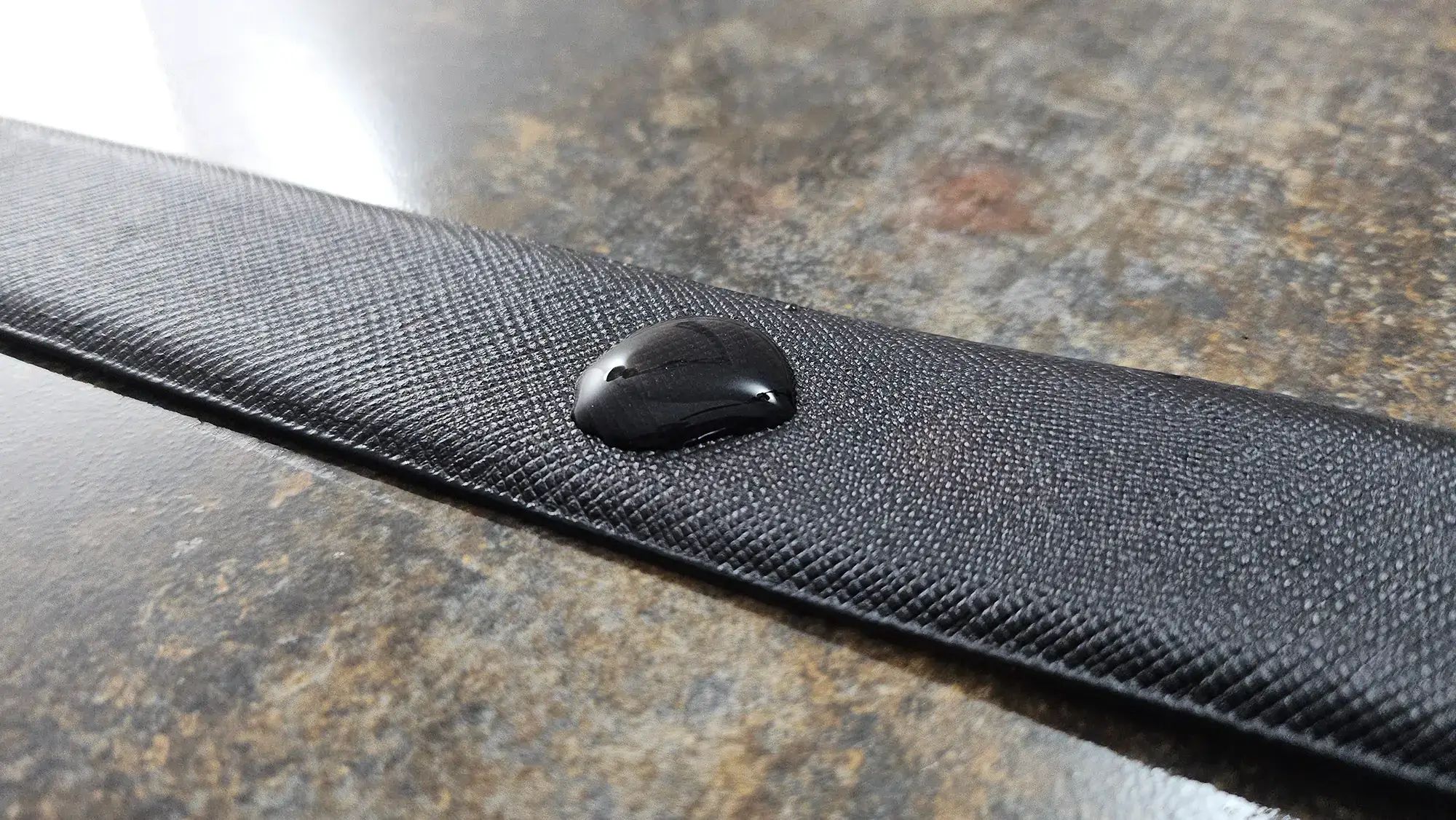
Traditional smooth leather and water are a poor combination. Saffiano's wax coating changes this equation considerably. The surface repels light moisture — rain, splashes, spills — far more effectively than most untreated leathers. A quick wipe with a dry cloth is usually all it takes.
Consistent, Long-Lasting Appearance
Unlike full-grain leather, which changes color, softens, and develops marks with use, Saffiano stays remarkably consistent. The belt you buy today will look essentially the same in three years. For anyone who values a reliably polished, professional look — in a work wardrobe especially — this consistency is exactly what they want.
Versatility Across Occasions and Outfits
The crosshatch texture of Saffiano leather strikes an interesting balance in the style world. It's refined enough for a suit or business attire, but understated enough for smart casual and weekend wear. A single well-chosen Saffiano belt can pull double duty across a wide range of outfits.
Remarkably Low Maintenance
Full-grain leather benefits from regular conditioning to prevent drying and cracking. Saffiano largely takes care of itself. The wax coating handles most of the protection work — a wipe with a damp cloth every few weeks is usually enough.
Holds Its Shape Over Time
Saffiano's natural firmness means it holds its structure well, resisting the tendency to soften, flop, or warp that some lighter leathers develop over years of use.
The Case Against: Where Saffiano Falls Short
Saffiano is not perfect for everyone. There are real trade-offs, and understanding them is just as important as knowing the benefits.
No Patina, No Character
For leather enthusiasts, this is a genuine and significant limitation. One of the most celebrated qualities of premium natural leather is the way it ages — developing a rich, deepening luster and character that reflects the life and use of the person who wore it. Saffiano doesn't do this. The coating seals the leather surface off from the interaction that drives patina development.
Difficult to Repair or Restore
Traditional leather is relatively forgiving when it comes to restoration. A good cobbler can re-dye worn areas, condition dried sections back to suppleness, and extend the useful life of a belt considerably. Saffiano's coating complicates all of this. If the coating chips or peels — particularly on lower-quality versions — restoration is difficult.
Quality Varies Dramatically
The term "Saffiano leather" describes a finishing process, not a quality standard. It can be applied to excellent calfskin, mediocre split leather, or materials that barely qualify as leather at all. The crosshatch texture can be embossed onto virtually any leather-like material, and the term is sometimes used loosely by manufacturers who know it carries a premium association.
Less Natural Feel and Flexibility
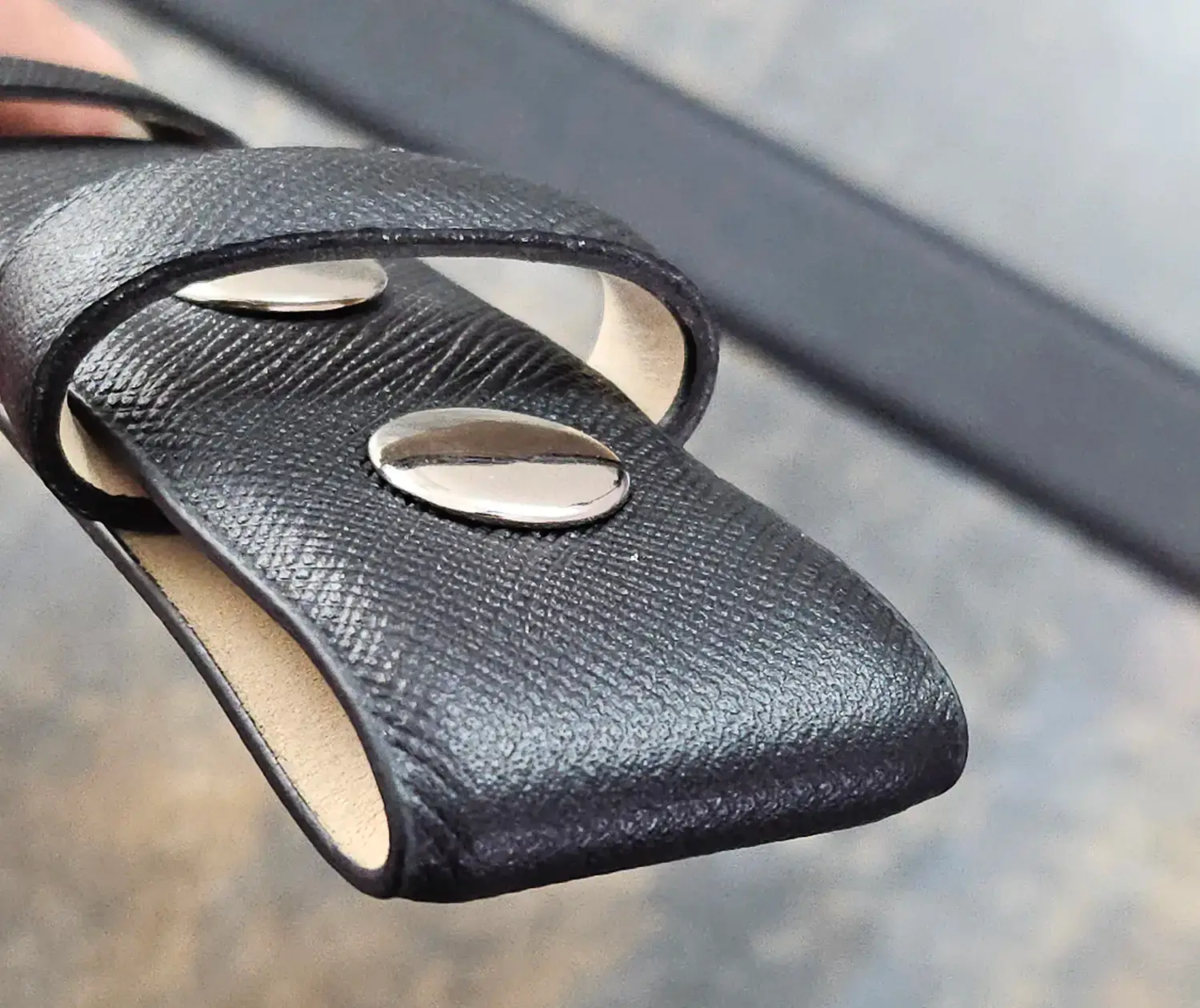
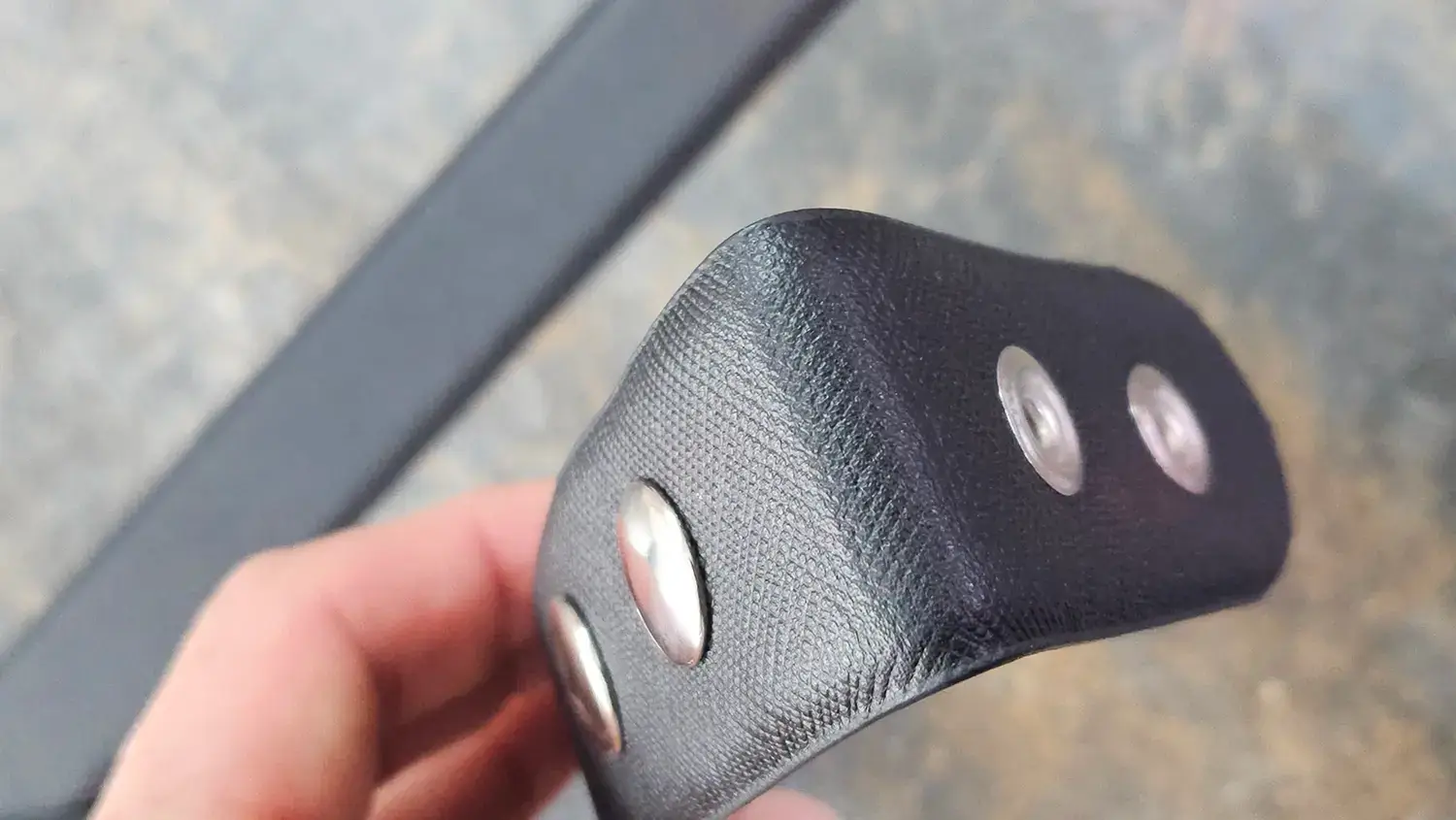
Compared to soft, supple full-grain or vegetable-tanned leather, Saffiano feels noticeably firmer and less flexible. We tested this ourselves with our Snap Belt — we bent the Saffiano belt and it held up well with no cracking. That said, the result really depends on the manufacturer and the quality of the base leather and coating used.
The Price Doesn't Always Reflect the Value
At luxury price points, you're paying for genuine craftsmanship, premium materials, and brand heritage. But the mid-market is full of Saffiano belts priced at a premium without delivering meaningfully better quality than a well-made smooth leather alternative at the same price point.
How Does It Compare to Other Leather Types?
To put Saffiano in context, here's how it stacks up against the most common leather types used in belt-making:
| Feature | Saffiano | Full-Grain | Top-Grain | Genuine |
|---|---|---|---|---|
| Scratch Resistance | ⭐⭐⭐⭐⭐ | ⭐⭐⭐ | ⭐⭐⭐ | ⭐⭐ |
| Water Resistance | ⭐⭐⭐⭐⭐ | ⭐⭐ | ⭐⭐⭐ | ⭐⭐ |
| Overall Durability | ⭐⭐⭐⭐ | ⭐⭐⭐⭐⭐ | ⭐⭐⭐⭐ | ⭐⭐ |
| Patina Development | ⭐ | ⭐⭐⭐⭐⭐ | ⭐⭐⭐ | ⭐ |
| Low Maintenance | ⭐⭐⭐⭐⭐ | ⭐⭐ | ⭐⭐⭐ | ⭐⭐⭐⭐ |
| Softness & Feel | ⭐⭐⭐ | ⭐⭐⭐⭐⭐ | ⭐⭐⭐⭐ | ⭐⭐⭐ |
| Repairability | ⭐⭐ | ⭐⭐⭐⭐⭐ | ⭐⭐⭐⭐ | ⭐⭐ |
| Value for Money | ⭐⭐⭐⭐ | ⭐⭐⭐⭐ | ⭐⭐⭐⭐ | ⭐⭐ |
Full-grain leather remains the gold standard for longevity, feel, and aging character. Top-grain leather offers good durability and a clean, consistent look. Genuine leather is typically the lowest usable grade and should be avoided for anything you expect to last.
Saffiano sits in an interesting position — it can outperform full-grain on practical metrics like scratch and water resistance, while lacking full-grain's natural character and repairability.
Who Should (and Shouldn't) Buy One?
- Value durability and low maintenance over character
- Travel frequently or live an active lifestyle
- Dress in business or smart casual styles
- Have struggled with scratched belts in the past
- Want one versatile belt that does it all
- Prefer a consistent, always-polished appearance
- Love the patina and aging process of natural leather
- Prefer a soft, supple, broken-in feel
- Are working with a tight budget
- Prioritize repairability and longevity above all
- Are a leather traditionalist at heart
- Want a belt with warmth and personal character
What to Look For When Buying
If you've decided a Saffiano belt is right for you, here's how to separate the genuinely good options from the ones merely riding the name:
Frequently Asked Questions
It can be, but it isn't always. Saffiano describes a finishing process that can be applied to genuine leather of varying grades, or in some cases to synthetic materials. Always check the base material when buying.
High-quality Saffiano from reputable brands should not peel under normal use. Peeling is typically associated with lower-quality versions where the coating has been applied thinly or to an inferior base material.
Standard leather conditioners don't penetrate Saffiano's wax coating effectively. The coating handles most of the protection work on its own.
A soft, slightly damp cloth is usually all you need for routine cleaning. For stubborn marks, a mild soap solution on a soft cloth works well. Always dry gently afterward and avoid harsh chemical cleaners.
A quality Saffiano belt from a reputable brand, with basic care, should last five to ten years or more. The main limitation compared to full-grain leather is the difficulty of restoration if the coating eventually wears.
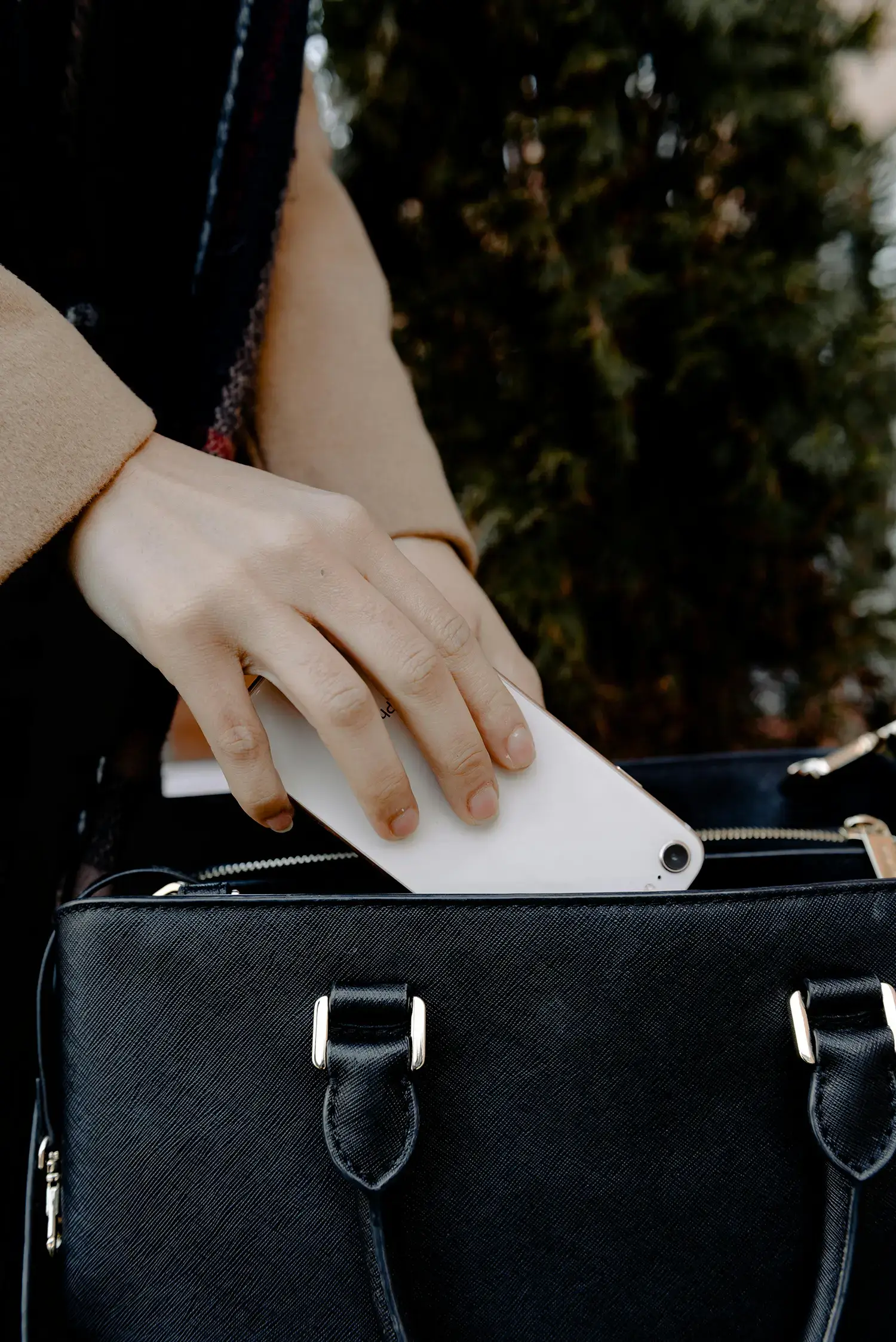
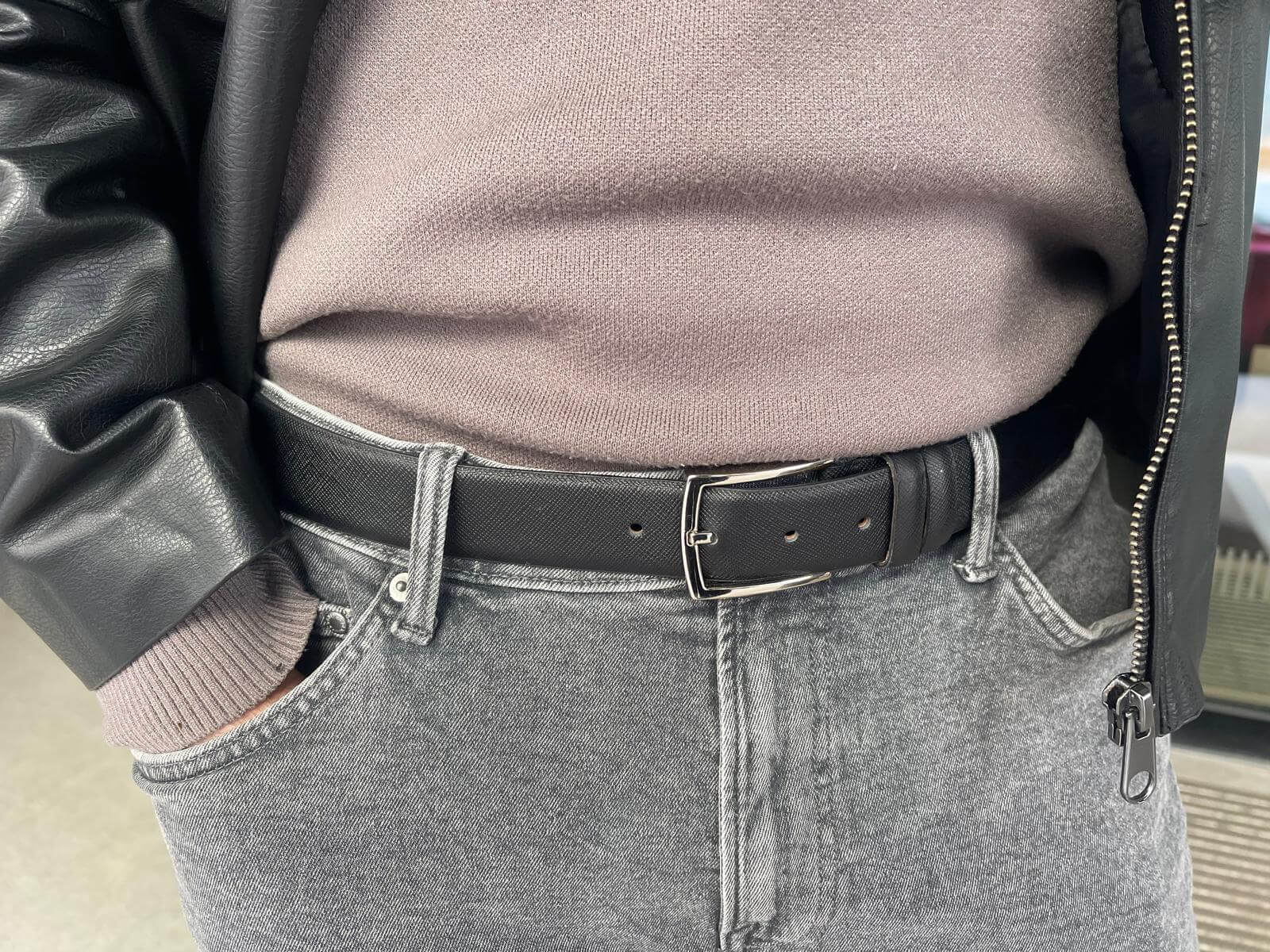
Saffiano Belt — Real Life Style



The Verdict
Are Saffiano leather belts worth it? Yes — for the right buyer, and from the right brand.
Saffiano leather delivers genuinely impressive practical performance. Its scratch resistance, water repellency, shape retention, and low maintenance requirements make it one of the most user-friendly leather options on the market. For anyone who values durability, consistency, and versatility over the romantic aging process of natural leather, a well-made Saffiano belt is a genuinely smart purchase.
The caveats are real but manageable. Quality varies significantly across brands and price points, so buying informed matters more with Saffiano than with some other leather types. And if you're a leather purist who loves patina and character, Saffiano simply isn't your material — and that's a fair and honest conclusion.
For the majority of buyers — the pragmatic wardrobe builders who want a polished, versatile, hard-wearing belt that looks just as sharp on year four as it did on day one — Saffiano leather earns its price point and its reputation.
Buy it well. Take care of it minimally. Wear it everywhere.
Recommended products
Mens Dressing Belt Shiny Silver Buckle – Black Saffiano Leather
Original price was: $85.00.$68.00Current price is: $68.00.Mens Dressing Belt With Gold Buckle – Black Saffiano Leather
Original price was: $85.00.$68.00Current price is: $68.00.Mens Nickel Free Belt – Black Saffiano Leather
Original price was: $75.00.$60.00Current price is: $60.00.Saffiano Belt For Mens Jeans With Black Brass Buckle
Original price was: $75.00.$60.00Current price is: $60.00.Black Saffiano Belt For Women – Gold Horseshoe Buckle 3.5 cm
Original price was: $75.00.$60.00Current price is: $60.00.Saffiano Leather Ladies Belt Black With Silver Horseshoe Buckle
Original price was: $75.00.$60.00Current price is: $60.00.